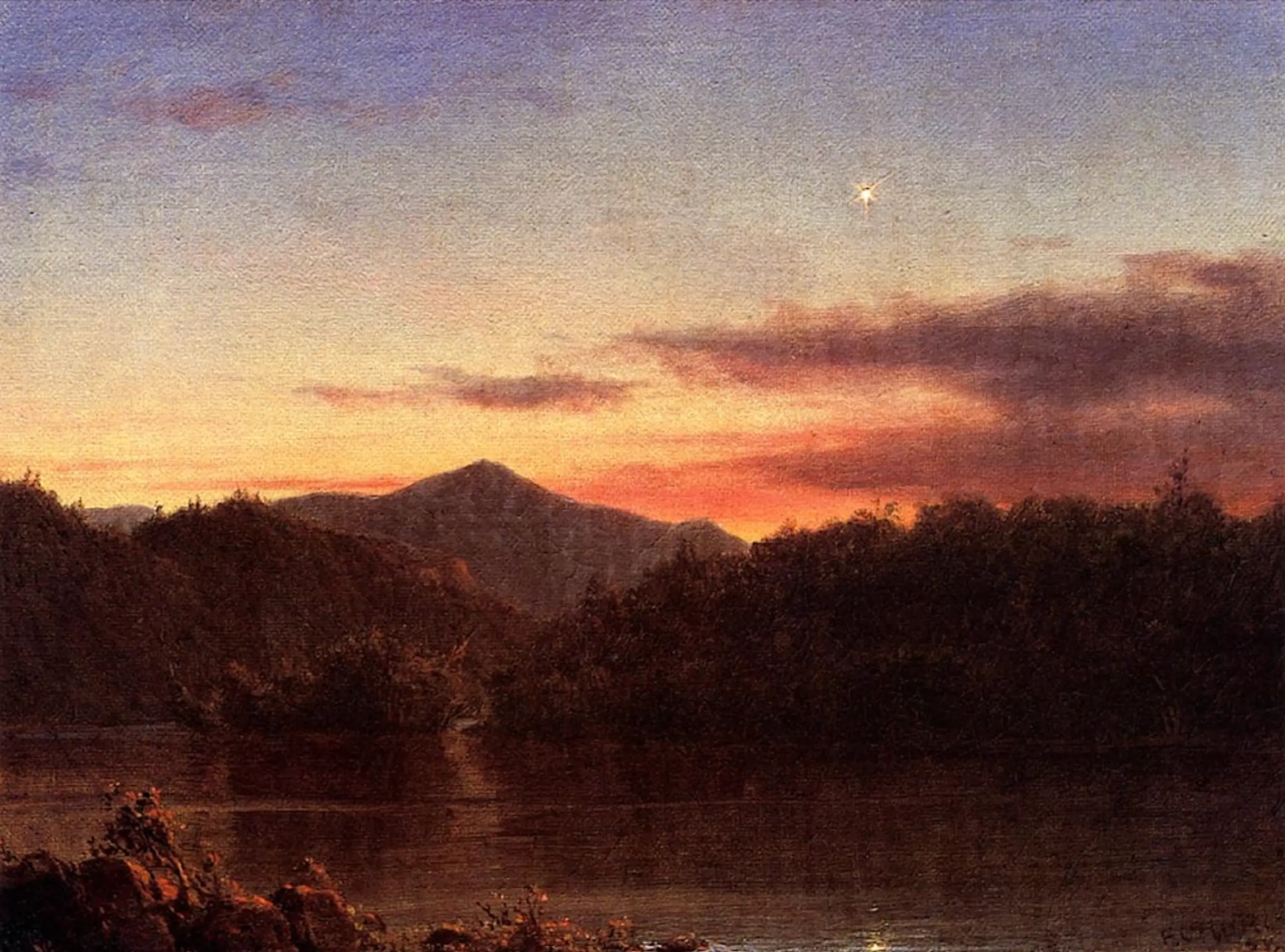
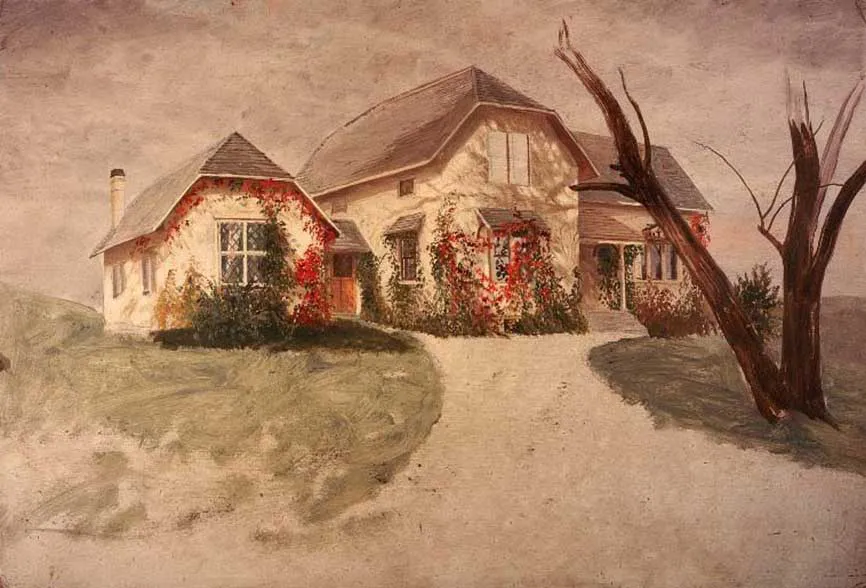
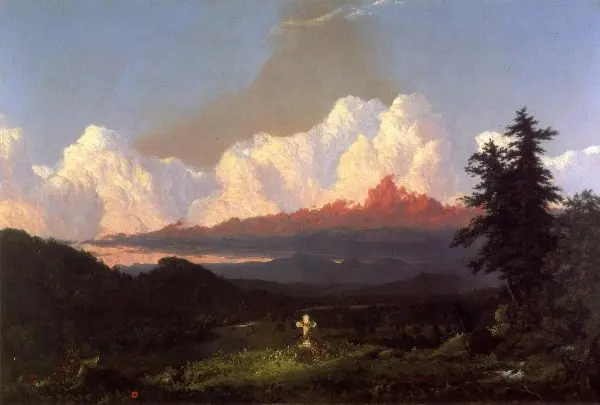
 rederic Church was born 200 years ago this year, and I’ve been very excited about it. He spent his life painting the American landscape at a time when the country was still figuring itself out (still, clearly, unresolved).
It was a time when the U.S. was in civil war, swallowing a continent, and becoming an industrial power, and Church’s canvases were his argument about how he processed this.
But Church also traveled the world, and, as Victoria Johnson puts it in her new biography, “Glorious Country” – the first to bring us his life under this context – he brought the world to America and America to the world.
Johnson’s book arrives at a really resonant moment, and Church’s landscapes weren’t just romanticized decoration. He used art to share his views on slavery, legacy, memory; his contemporaries could read fluently in a visual language that we’ve largely forgotten how to speak.
The biography is, in part, a translation project, and reading it, we get a much fuller view of who Church was as a painter, and as a leading figure in American history. Church’s work helped to shape the vision most of us have of an “upstate New York” today.
This page hosts a three-part podcast series that looks at Church’s history and legacy. Diane Shewchuk, the director of curatorial affairs at the Albany Institute of History & Art reads us his letters. Victoria Johnson walks us through the country (and world) he called “glorious.” Betsy Jacks explains what it means to keep a legacy alive when your own legacy is calling.
The Jiffy is a newsletter and show that brings you long conversations and dispatches about the arts and sciences of upstate New York – subscribe to the newsletter here. It’s free. It arrives on Mondays, and you can opt out anytime.
And subscribe to The Jiffy Podcast, wherever you listen to podcasts.